Andreas Leber, a former MAP student, shares in the MAP video how MAP has helped him preparing his Master thesis at the Massachusetts Institute of Technology.
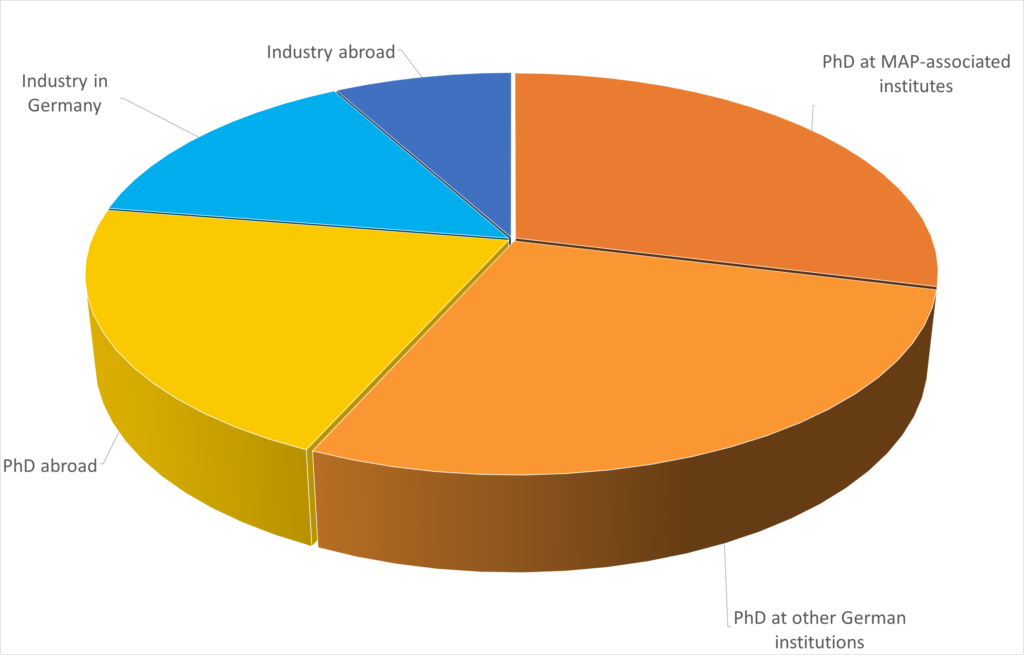
How do MAP students benefit from the MAP programme in their career and how do they develop after their graduation? Before choosing a Master’s programme these might be key questions for prospective MAP students.
About 60% of MAP graduates commence a PhD following completion of the program. Many of our alumni remain in Erlangen or at one of the MAP partner universities. Recent graduates have also secured PhD positions at other world-class universities and institutions including University of Cambridge (UK), University of California at San Diego (USA), Washington State University (USA), McMaster University (Canada) and ETH Zürich (Switzerland).
MAP, however, does not only train excellent academic researchers. Many of our graduates find excellent positions and become leaders in industry.
How have MAP alumni benefitted from the MAP program?
MAP alumna Katja Wadlinger provides insights into her work as co-founder of the start-up AMPERIAL in German language.
It has been more than 10 years since my first day in Erlangen and in the MAP program. Last month, I returned to Erlangen to receive the “DGKK-Preis für Nachwuchswissenschaftler” to award my Ph.D. work toward the development of Gallium Oxide Technology with the experimental and the AI approach, and now I am funding my own company to provide Gallium Oxide epiwafer to global customers.Ta Shun Chou – MAP alumnus since 2016
The MAP program provided an extraordinary training for my career path. Before I joined MAP in 2013, materials science was a purely experimental topic, but the courses of MAP opened my mind by combining a computational approach with experimental techniques. From then on, I started my interdisciplinary career path by being both a programmer and a process engineer at the same time in all my roles after the MAP program. In my Ph.D. career, my combinational toolkits allow me to be one of the pioneers in my field and directly ignite my startup now. I strongly recommend the MAP program for those looking to explore beyond traditional scientific boundaries. The resources and the network are invaluable assets for a Master’s student. It’s a journey you won’t regret! – April 2024
I still recall the day when I received the email from MAP coordinator Katrin Bartels informing me of my admission to the MAP program. I was overjoyed, and although I had admission offers from other universities in the US, I chose to go with MAP and looking back, I’m glad I did.Anirudh Acharya – MAP alumnus since 2011
What really stands out to me reflecting on MAP is the quality of interactions and projects that I was able to work on with the professors and cohorts. In addition to this, the opportunities to immerse myself in the German and Franconian culture (learning early on that showing up “only” 10 minutes late is an absolute faux pas) helped me grow as an individual and a professional and also prepared me for my subsequent journey at a large chemical company in Germany.
In short, I miss my time at MAP, the Faculty of Engineering and Erlangen. I hope to visit very soon and share my experiences in person with the latest cohorts. To this end, I wish all MAP newcomers the very best and a wonderful time! – August 2024
MAP is an important turning point in my career life. I am currently a group leader at Max Planck Institute of Colloids and Interfaces in Germany. This is certainly not what I had envisioned when I started the program. When I first came to Germany, I did not have a clear plan for what I wanted to do. I enjoyed life in Erlangen and profited immensely from the wide range of subjects offered by MAP and the close interaction with the professors in lectures, whose enthusiasm about research showed me that science is fun. The mini projects offered by the program also provided invaluable opportunities to work with world-leading experts at the frontier of research at an early stage. I had a great time doing my PhD research with a professor of the MAP program on nanoscience. We investigated what happens when many tiny moving spheres are put in a larger sphere. That was the beginning of my academic career. Funnily enough, I did not choose nanoscience as one of my focal subjects. I chose computational and biomaterials instead. As it turned out, the former helped me communicate effectively with my theory partners, and the latter prepared me for my postdoc period when I expanded my research portfolio to work with microorganisms. Hence, I think the multidisciplinary nature of MAP is its real strength.Junwei Wang – MAP alumnus since 2016
In conclusion, MAP has equipped me with the right tools to navigate unexplored territories in my scientific career (pun intended). I continue to benefit from its influence and network to this day. – April 2024
I had the opportunity to become familiar with the MAP program during an academic internship at FAU in 2007. The multidisciplinary and international aspects of the program attracted me to apply and I was accepted to start in 2008. I must say that it was one of my best decisions to pursue this master’s program. Apart from all the high quality scientific courses and open-minded professors from whom I learned a lot, the highlight for me was the soft skills courses in business and management. These courses were taught by some of the best subject matter experts and had a great impact on my future success. I am currently (year 2023) working as a manager at SAP SE and serve as a functional lead for product owners of multiple teams working on different software domains. I see the footprint of the MAP program throughout my career where I have been able to lead multiple multidisciplinary projects from ideation to multi-million dollar revenue. I highly recommend the MAP program to those who want to go beyond the boundaries of classical science and push the edge of technology! – November 2023Amirreza Gheisi – MAP alumnus since 2011
I am currently as Assistant Professor at the Weldon School of Biomedical Engineering at Purdue University in the United States. My academic training and research experience began in Erlangen with the MAP programme, which I credit with introducing its students to a broad range of scientific topics and providing research opportunities (mini projects, thesis) in various labs. I spent a year working in Dr. Aldo Boccaccini’s lab in WW7, and this along with the coursework formed the basis for my application to do a PhD at the Charité Medical University in Berlin. I would especially like to highlight the soft-skills training part of the MAP programme and the fact that MAP brought together so many diverse students into a close-knit group. These aspects helped shape my global scientist personality and provided a broader perspective on life and science. It also helped me network at conferences (I have attended 23 so far, the first one was in Hamburg and was sponsored by MAP), and integrate into various international contexts. After my PhD, I performed postdoctoral research at the University of Pennsylvania before accepting my faculty offer at Purdue. My lab focuses on engineering biomaterials for tissue regeneration and we aim to create an inclusive and diverse group of researchers and scientists to tackle unmet healthcare challenges – all of this was set in motion back in the Fall of 2010 when I arrived in Erlangen to participate in the MAP program! – November 2022Taimoor H. Qazi – MAP alumnus since 2013
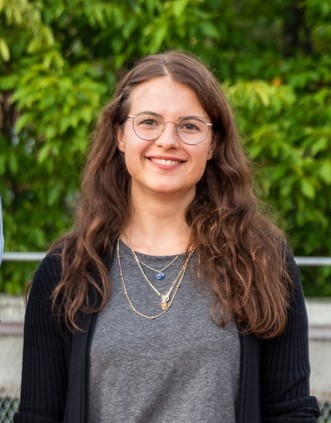
I chose the MAP program for its interdisciplinary mix which gave me the freedom to explore various disciplines – like Numerical Modelling, Simulation and Nanotechnology – that provided me with broad knowledge from science to engineering.Stefanie Düll – MAP alumna since 2019
I really enjoyed the multicultural atmosphere and felt encouraged to stay curious and be open to new challenges.
After graduation, I chose a professional career in industry, where I held different positions in Logistics and Semiconductor Industry, like Data Analysis & Simulation Professional and Software Project Manager.
Looking back, MAP was a great experience, which I do not want to miss. – November 2022
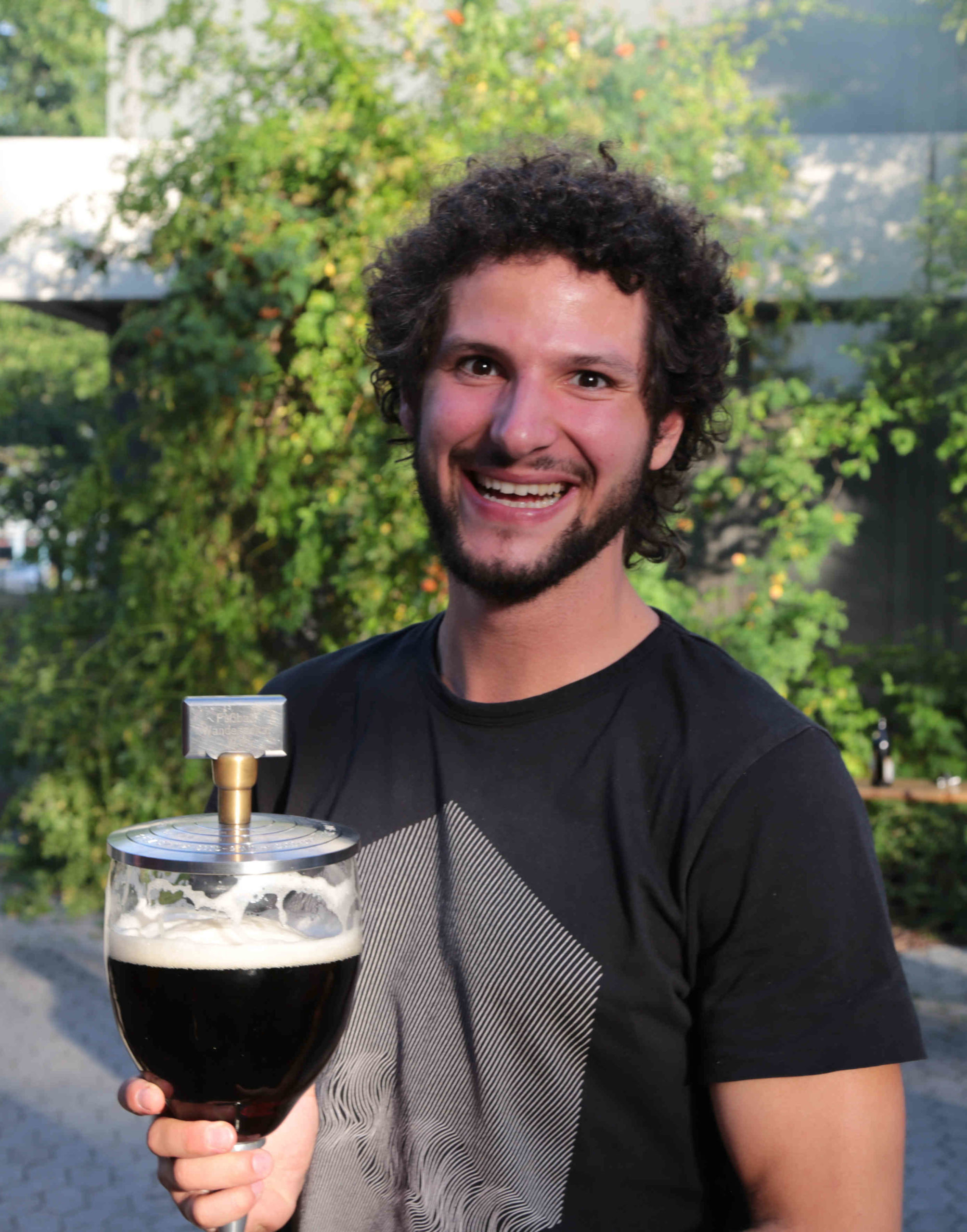
Coming from a nanotechnology Bachelor, the MAP program gave my studies an even stronger interdisciplinary direction and greatly enhanced my insights into chemical engineering. The lectures, lab-courses and not least the close interaction with top-class researchers (professors) in MAP provided fundamental knowledge and methods in scientific work, not only for my master thesis but also for my position as scientific assistant at the Chair of Materials Science and Engineering for Metals (WTM). Here, my field of research is the production and application of CVD-diamond, and the qualifications from MAP enabled me to follow and complete a wide variety of projects from both materials science and chemical engineering, including CVD-diamond on steel, aluminum die-casting, wastewater treatment, dental disinfection, anodic production of H2O2 and cathodic CO2-reduction to formic acid on boron-doped diamond (my PhD topic).Maximilian Göltz – MAP alumnus since 2016
The international and multicultural atmosphere in MAP is also a great experience and refines the already present curiosity and attentiveness of all participants. Additionally, the extracurricular activities (at FAU) provide great diversion, e.g. the Materials department football cup (s. picture). I can recommend MAP to all motivated students that want to gain valuable foundations for a successful professional career at the interface of research and industry. – September 2022
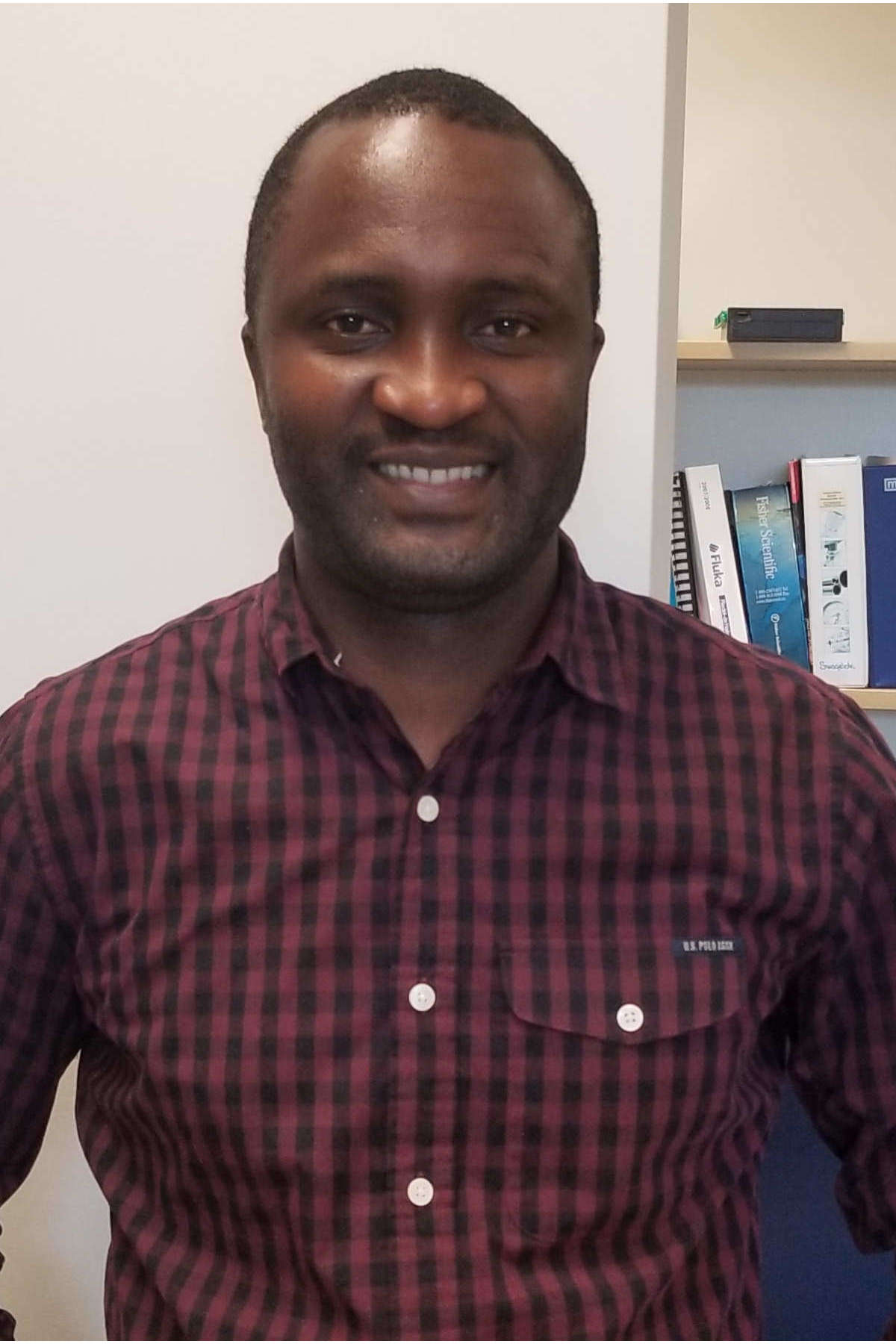
Currently, I am a Research Associate at the department of Chemistry, University of Ottawa (Canada), where I obtained a doctorate degree (Material Chemistry) in 2020.Joel Motaka Kolle – MAP alumnus since 2015
With a bachelor’s degree in Chemistry from the University of Buea (Cameroon), I aimed for a master’s programme that combines chemistry, material science and chemical engineering. Joining the MAP programme proved to be a shrewd decision. Practical aspects of the MAP curriculum, notably, miniprojects and review paper write-ups, helped prepared me for top-notch master thesis research in heterogeneous catalysis. The MAP curriculum also provided me with the necessary tools to succeed beyond the programme, it can do same to any motivated individual.
Being a recipient of a 12-month scholarship from the MAP program was a great feeling. – September 2020
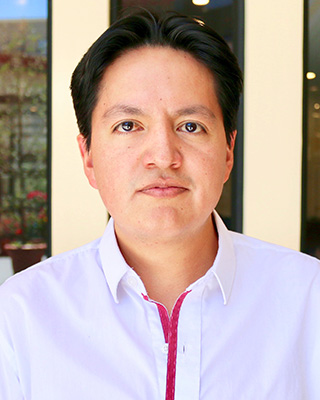
Undoubtedly, being part of the MAP programme changed my life. The MAP curriculum and its interdisciplinary nature, gave me the opportunity of exploring new knowledge in different areas of science. This strong background in fundamental science together with the soft skills acquired, are now an important pillar for conducting research and teaching the new generations in my home-country Ecuador. I strongly recommend this programme for curious, motivated, and excellent students looking for an interdisciplinary master’s course, while sharing experiences and time with wonderful people from around the world. – February 2020Sebastian Ponce – MAP alumnus since 2015
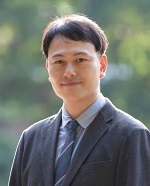
I am currently Assistant Professor in the Department of Energy Engineering at Gyeongnam National University of Science and Technology. Due to the interdisciplinarity of MAP, I have a strong background in fundamental science, which was key to becoming a professor. Indeed, the MAP curriculum not only includes basic sciences, but also practical knowledge about engineering. Thus, the programme will be of great benefit to those who want to study a wide range of interdisciplinary subjects from science to engineering. I would like to say that choosing MAP was the best choice I ever made. – June 2019Hyunchul Oh – MAP alumnus since 2010
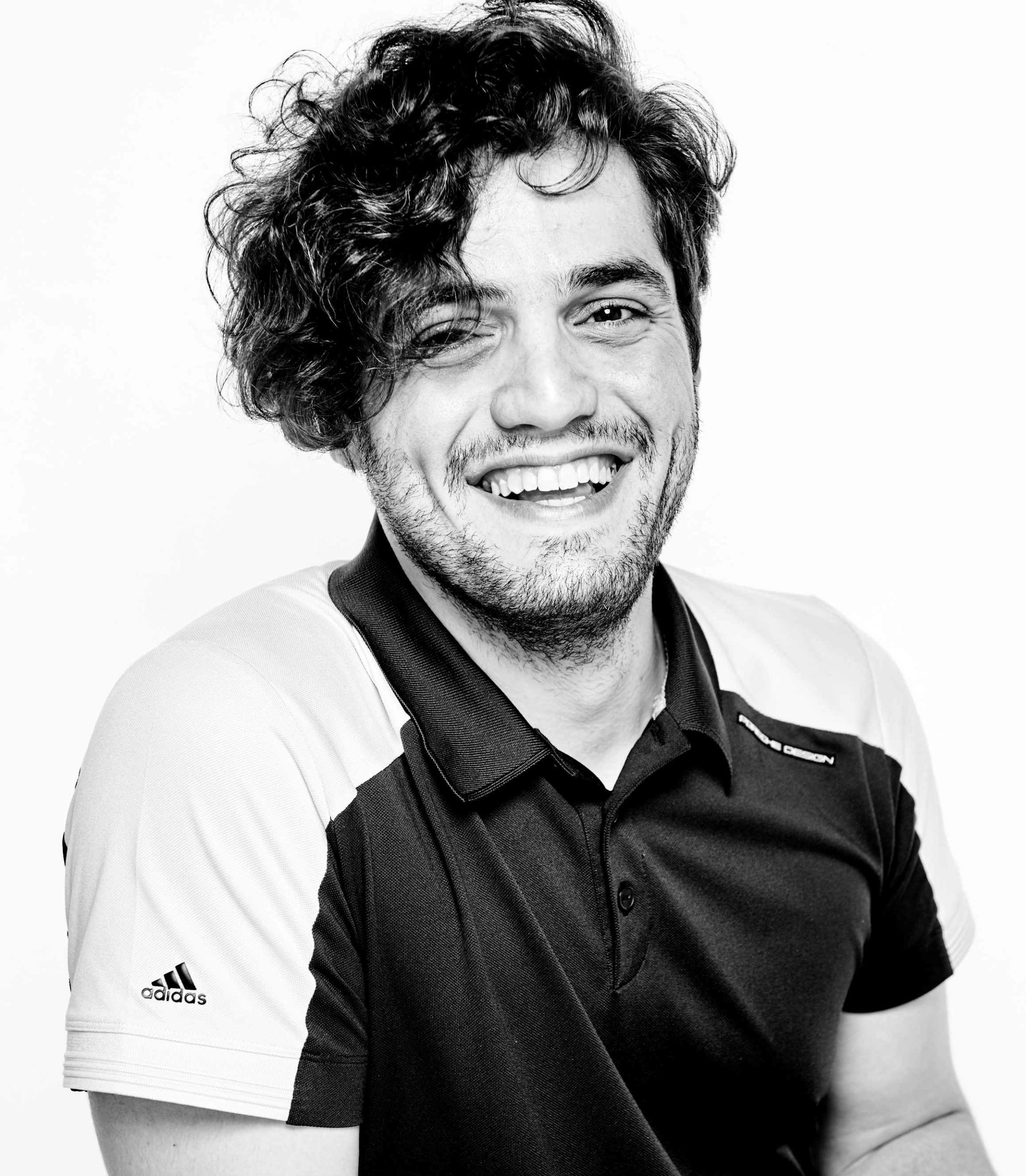
MAP was a highlight in my academic journey with strong impact on my career path: I am currently working as Senior Manager – Technology Innovation at adidas AG. The nature of topics, lectures and evaluation approaches at MAP all focus on maximizing the true learning of the concepts and on how to apply them in practical technical environments. MAP provides students with a golden experience of meeting and interacting with world-class professors and academics, who later become part of a valuable personal network. The technical excursions and visits to top notch industries are indispensable for an understanding of the tight relationships between academia and industry in Germany and the required elements for making this interaction successful. I recommend MAP to students who are seeking a strong interdisciplinary master’s course, while sharpening their professional competencies on an amazing 2-years journey! – June 2019Amir Fathi – MAP alumnus since 2011
MAP provided me with an invaluable scientific foundation that I have been benefitting from ever since. I was recently awarded a postdoctoral fellowship from the Netherlands Organisation for Scientific Research (NWO) to perform research in a world-leading research group in the U.S. I believe that this opportunity directly stemmed from what I learned from MAP, and my subsequent PhD work applying MAP’s interdisciplinary subjects. – March 2019Mani Diba – MAP alumnus since 2012
I applied to the MAP program because of its international and interdisciplinary nature. Having completed the programme, I now know it was the best decision I could have made. By learning about materials science and chemical engineering, I obtained a very broad understanding of engineering – and doing so side by side with students from all over the world was a fantastic experience. The numerous practical MAP research projects perfectly prepared me for my master’s thesis at the Massachusetts Institute of Technology and my current PhD thesis at the École polytechnique fédérale de Lausanne. – March 2019Andreas Leber – MAP alumnus since 2017
What do researchers and industry representatives think about MAP?
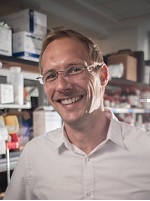
MAP student Andreas Leber was one of the best students I ever had in my group. His curious, independent, and creative approach to research, paired with superb experimental skills and a strong knowledge foundation in advanced materials and processes put him on par with our top graduate students here at MIT. If all MAP students are like Andreas, then this is a terrific programme for generating the next generation of leading researchers and engineers in materials science and processing. – May 2019Prof. Mathias Kolle – Massachusetts Institute of Technology (MIT)
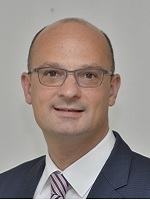
In my MAP seminar “New Business Development” I bridge the worlds of business and engineering. It’s fantastic to work together with such motivated students of diverse technical backgrounds and nationalities and to see them succeed in their professional careers at Evonik and elsewhere. – May 2019Dr. Andreas Hoff – Evonik Technology & Infrastructure GmbH and MAP Advisory Board Member
Some interviews with our MAP alumni about their career path
Dr. Mariana Cecilio de Oliveira Monteiro – MAP alumna since 2017
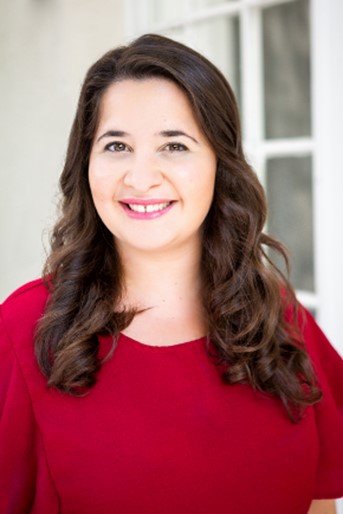
What was your professional career like after MAP? What do you do now?
After MAP I did my PhD at University Erlangen-Nuremberg in the field of printed electronics at the Chair of Glass and Ceramics.I moved on to Bosch Bamberg, first as an expert for exhaust gas sensors, later on as project lead.
Nowadays I am employed at DESY as industry relations manager. My task is to establish and maintain networks between industrial partners and our scientists and support in the initiation of cooperation projects as well as services. Furthermore, during conferences and other public events I often present and represent DESY and our opportunities and benefits especially for industrial clients.
Why did you choose MAP at that time?
I was in the second class to complete the program. It was very attractive to me due to the combination of topics from materials science and chemical engineering.How did MAP prepare you for your current job?
MAP is a perfect possibility to get in touch with students from other countries and thus other cultures. This strengthens your ability to change your point of view. Furthermore, MAP is simply a lot of work and the subjects are challenging. This strengthens your ability to dive into new technical topics, organize yourself and set priorities.September 2024
Dr. Nadja Kölpin – MAP alumna since 2009
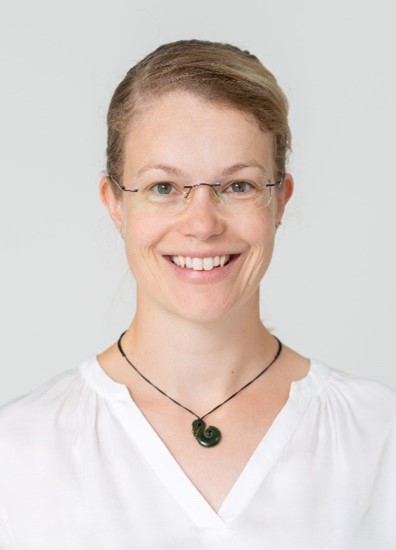
What was your professional career like after MAP? What do you do now?
I have followed the “academia” path. Directly after graduating from MAP in 2017, I started a PhD in Electrochemistry at Leiden University in The Netherlands, from which I graduated cum laude (top 5%) in 2022. I then moved to the Fritz Haber Institute of The Max Planck Society in Berlin, to work as a postdoc at the Interface Science Department. After short nine months, I was awarded a Minerva Fast-Track Fellowship by the Max Planck Society and since January 2023 I am leading my own research group on “Electrode-Electrolyte Interfaces”. Me and my team study how different aspects of the electrode-electrolyte interface impact the performance of non-noble, multicomponent, earth-abundant catalysts for reactions relevant to our society´s energy transition – as the production of green H2 in water electrolyzers and the reduction of O2 in fuel cells.Are you working in or close to the field of your focal subjects?
Not really. Nowadays I work with fundamental electrocatalysis, a topic that in my program was not covered. Still, especially the concepts of catalysis I learned in the “Advanced Process” focal and materials synthesis/stability in the “Nanomaterials and Nanotechnology” focal did help a lot, creating a strong background.The internship in a company or an external research group is optional for us. Would you recommend it?
I highly recommend it. I had a lot of experiences in research before starting my PhD, but never in a company. Close to the end of my doctorate I still didn´t know if I wanted to stay in academia or not. I only knew, after doing a 3 months internship in the R&D of a company. In fact, it took me only a few weeks working in the company to realize I was more suitable for academia, and also liked the work more. Therefore, I strongly encourage trying both, to take career steps and decisions based on your own experiences and preferences.What advice would you give to current first-year students?
My main advice is to do as much as possible within and outside the curriculum during the Master’s. I know MAP is a competitive and tough program, but it is worth it doing all the soft skill courses offered, workshops, and most importantly: HiWi´s. Especially for those who think they might want to follow a career in academia: do a few HiWi´s in different research groups. No matter what the daily tasks are, at this point any experience is valuable, will make your CV more competitive and make you more creative. It will put you in contact with different topics, people, and surely open doors in the future. I did four different HiWi´s while I was a MAP student: in Biomat and LKO (WW), and in CTR and EVT (CBI).September 2024
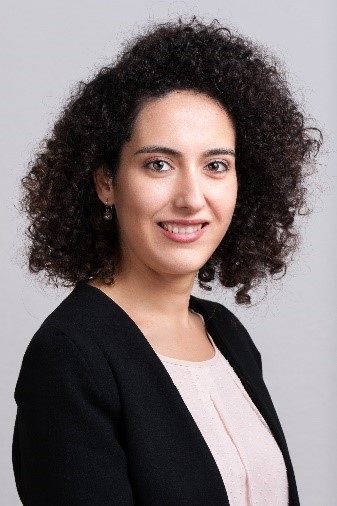
Dr. Sandra Saad – MAP alumna since 2019
What was your professional career like after MAP? What do you do now?
I completed an industrial PhD at Bosch specializing in simulation and machine learning, focusing on the modeling of the flow-induced crystallization of semi-crystalline polymers during the injection molding process. Throughout my research, I conducted FEM simulations and utilized the generated data to develop models representing this crystallization phenomena which were calibrated using experimental data. Currently, I work as a development engineer at Bosch and I am primarily involved in data science projects. My role entails utilizing production plant data or simulation data to create models that assist my department in solving problemsWhat are the most important skills you need as a young professional?
Good communication skills and being able to manage time well are very important for young professionals. When you can communicate clearly, it helps you work better with others, understand what needs to be done, and get along with people. Time management helps in organizing your tasks so you can finish them on time without feeling too stressed. It helps you stay on top of your work and get things done efficiently.The internship in a company or an external research group is optional for us. Would you recommend it?
I would highly recommend an industrial internship. It offers invaluable real-world experience, expands your professional network, and increases your marketability to potential employers. Internships provide opportunities for personal and professional growth, helping you develop essential skills and prepare for future career roles.As a foreigner working in Germany, do you think it is important to speak German well?
I do think that being able to speak German is important in most companies. Being able to speak German proficiently can greatly enhance your experience as a foreigner working in Germany. While many companies conduct technical work in English, fluency in German is invaluable for effective communication and integration within your team and the broader workplace culture. Participating in day-to-day conversations in German not only facilitates smoother collaboration with colleagues but also fosters a sense of belonging and inclusion. It allows you to better understand the nuances of workplace dynamics, cultural norms, and company protocols.September 2024
Prof. Mani Diba – MAP alumnus since 2012
What was your professional career like after MAP? What do you do now?
I continued an international and interdisciplinary scientific career after MAP. After graduating, I moved to the Netherlands for a PhD on self-healing biomaterials at Radboud University Medical Center. Then, I pursued postdoctoral research in the Netherlands at Eindhoven University of Technology, and in the USA at Rice University and Harvard University. Since April 2022, I have been an Assistant Professor at Radboud University Medical Center in the Netherlands, where I lead my research group, Diba Lab. Our focus is developing innovative biomedical solutions through biomaterial design and biofabrication strategies.Why did you choose MAP at that time?
I was looking for international MSc programs in the EU which would be interdisciplinary while having a strong materials science core. My particular interest was biomaterials and nanomaterials, which were among the focal subjects that MAP offered. The Institute of Biomaterials, newly established at the time and led by Prof. Aldo Boccaccini, was indeed also a key motivation for me for wanting to join MAP.How did MAP prepare you for your current job?
MAP provided me with an invaluable scientific foundation that I have been benefitting from ever since. The research experience I gained during MAP really facilitated my PhD research, which I could complete with the highest distinction. With the support I received from MAP professors, I was not only able to learn scientific thinking, but also how to perform scientific research and to disseminate scientific findings in conferences and as peer-reviewed scientific articles. MAP even offered me the opportunity to carry out my MSc thesis project partly at Imperial College London as an Erasmus Exchange Student, which expanded my scientific and international experience. The international environment of MAP instilled an international mindset in me which is an intrinsic requirement for performing scientific research at the global level.Do you think being a MAP graduate gave you more career prospects compared to the regular Master graduate? If yes, which ones?
Certainly; MAP offers a unique opportunity to engage in scientific research at a level that is different from regular MSc programs. A clear example of these opportunities is mini-projects and the full semester MSc thesis. These opportunities enabled me to acquire a PhD position in an exciting research field, multiple postdoctoral fellowships, and ultimately my current faculty position leading an independent research group.September 2024